
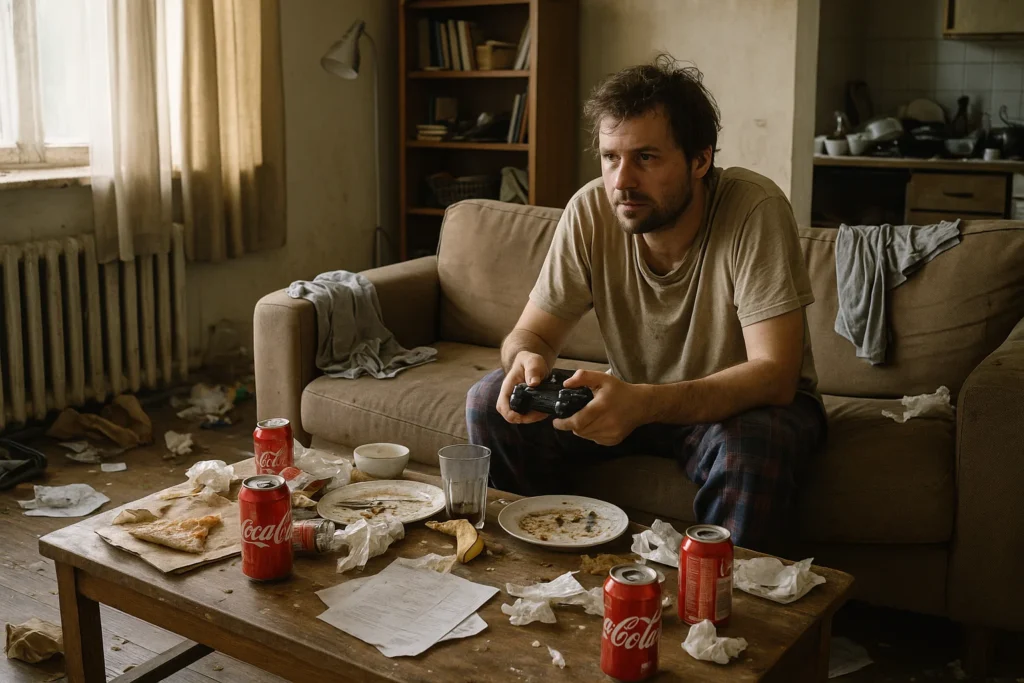
What Does It Mean When Someone Doesn’t Clean the House Very Often?
Have you ever stopped to think about what it really means when someone doesn’t clean their house very often? Beyond scattered clothes and piled-up dishes, this situation may reveal much more than a simple lack of time or laziness. The truth is that the state of our home often acts as a silent mirror of our inner world, reflecting emotional challenges, mental overload, and even health conditions that require attention.
Therefore, understanding the reasons behind domestic disorganization goes far beyond superficial judgments. When someone doesn’t clean their house very often, several factors may be involved — ranging from deeper psychological issues to simple lack of energy caused by today’s exhausting routines. In this article, we explore the relationship between environment and mental health, identify important warning signs, and offer practical ways to transform this reality.
The Connection Between a Messy Home and Mental Health
The relationship between our living environment and emotional well-being is deeper than many people realize. Studies in environmental psychology show that the spaces we live in directly influence our mental state, creating a continuous cycle of cause and effect.
When someone doesn’t clean their house very often, it may indicate that they are facing significant emotional challenges. Domestic clutter often emerges as a visible symptom of inner conflict, psychological exhaustion, or difficulty maintaining control over different areas of life.
What Science Reveals About Disorganized Environments
Research shows that cluttered spaces create cognitive overload, making it harder to concentrate and increasing stress levels. Our brain interprets visual disorder as a collection of unfinished tasks, leading to constant mental tension and preventing true relaxation — even during rest.
Additionally, studies published in the Journal of Personality and Social Psychology indicate that people living in cluttered homes tend to have higher levels of cortisol, the stress hormone — especially women, who historically bear a greater share of household responsibilities.
Psychological Conditions That Affect House Cleaning
Several mental health conditions can explain why someone doesn’t clean their house very often. Understanding these situations fosters empathy and helps identify appropriate solutions rather than judgment or criticism.
Depression and Lack of Energy
Depression is one of the most common causes of domestic neglect. People experiencing depression often suffer from a drastic reduction in physical and mental energy, making simple tasks like washing dishes or picking up clothes feel overwhelming. The lack of motivation associated with depression makes it difficult to initiate any activity, including basic household maintenance.
Generalized Anxiety and Decision Paralysis
Anxiety, on the other hand, can be just as paralyzing. Anxious individuals may feel so overwhelmed by the number of accumulated tasks that they cannot decide where to start. This decision paralysis perpetuates the cycle of disorganization, as each day adds more items to an already overloaded mental to-do list.
Burnout Syndrome and Complete Exhaustion
Burnout affects more than just work performance. People experiencing burnout often come home emotionally drained, with no energy left to care for themselves or their surroundings. As a result, the home becomes a reflection of this internal exhaustion, accumulating clutter while the person struggles to meet basic daily demands.
Compulsive Hoarding Disorder
In more specific cases, compulsive hoarding disorder interferes with discarding objects and maintaining organized spaces. Individuals with this condition assign excessive emotional value to common items, creating environments that go far beyond ordinary clutter.
A Fast-Paced Routine: When Time Is the Villain
Psychological issues are not always the reason someone doesn’t clean their house very often. In many cases, the fast pace of modern life consumes time and energy to the point that little remains for domestic care.
Long Work Hours and Multiple Responsibilities
Long workdays combined with lengthy commutes leave little room for household organization. When added to family responsibilities, social commitments, and personal needs, cleaning often falls to the bottom of the priority list.
Natural Choices About How to Use Time
After exhausting days, many people make understandable choices: resting, spending time with family, or engaging in pleasurable activities. While these decisions are essential for mental health, they often push household organization into the background.
Gradual Accumulation and the Snowball Effect
Problems arise when these daily choices lead to gradual accumulation. What begins as a few clothes on a chair can quickly turn into piles that take over entire rooms, increasing mental resistance to cleaning even further.
Consequences of Poor Household Hygiene
When someone doesn’t clean their house very often, the consequences go beyond appearance and can seriously affect physical health.
Respiratory Problems and Allergies
Dust, mites, and pet hair buildup worsen allergies and respiratory conditions. Carpets, curtains, and upholstery that aren’t cleaned regularly become reservoirs for allergens, particularly affecting people with asthma, rhinitis, or bronchitis.
Mold and Harmful Moisture
Poor ventilation and excess moisture encourage mold growth on walls and corners. Mold spores released into the air can cause anything from mild irritation to serious respiratory infections.
Spread of Bacteria and Viruses
Dirty kitchens and bathrooms become breeding grounds for bacteria. Accumulated organic waste creates ideal conditions for microorganisms that cause gastrointestinal infections and other illnesses.
Infestation by Urban Pests
Garbage buildup and exposed food attract insects and rodents, which can transmit serious diseases such as leptospirosis and salmonellosis.
Practical Strategies to Maintain Cleanliness
Understanding why someone doesn’t clean their house very often is only the first step. Developing realistic and sustainable strategies is equally important.
Break Tasks Into Small Blocks
Instead of viewing cleaning as an overwhelming task, break it into smaller, manageable segments. Dedicate just 15 minutes a day to one area — today the kitchen, tomorrow the bathroom. This gradual approach prevents burnout and maintains consistency.
Share Responsibilities Among Residents
When possible, distribute household tasks among all residents according to age and ability. Shared responsibility reduces individual overload and encourages cooperation.
Use Organization Tools
Task management apps, reminders, and visual checklists can help establish cleaning routines and reduce chaos.
Consider Professional Help
Hiring professional cleaning services periodically can be a worthwhile investment in health and well-being, even if only biweekly.
Practice Conscious Decluttering
Letting go of unnecessary items makes cleaning easier. Donate unused clothes, discard broken objects, and keep only what is essential.
When to Seek Professional Help
If domestic disorganization is significantly affecting your quality of life, causing distress, or interfering with daily functioning, it may be time to seek professional psychological support.
Important Warning Signs
Social isolation due to embarrassment, frequent family conflicts about clutter, paralysis in the face of mess, or physical symptoms related to poor hygiene suggest deeper issues.
Effective Therapeutic Approaches
Psychologists can help identify emotional roots of chronic disorganization and develop personalized strategies. Cognitive Behavioral Therapy (CBT), for example, has shown positive results in addressing behaviors linked to chronic clutter.
Final Considerations
Understanding what it means when someone doesn’t clean their house very often allows us to look beyond appearances and recognize the silent struggles many people face. Domestic disorganization is rarely about laziness — it often reflects depression, anxiety, burnout, or the daily challenge of balancing multiple responsibilities.
Ultimately, caring for the space we live in is also a way of caring for ourselves. Small, consistent changes can significantly improve both physical environments and emotional well-being. Whether through practical organization strategies or professional support, everyone deserves to live in a space that promotes mental health.
Remember: there is no perfect home, but there are homes that help us live better.
