
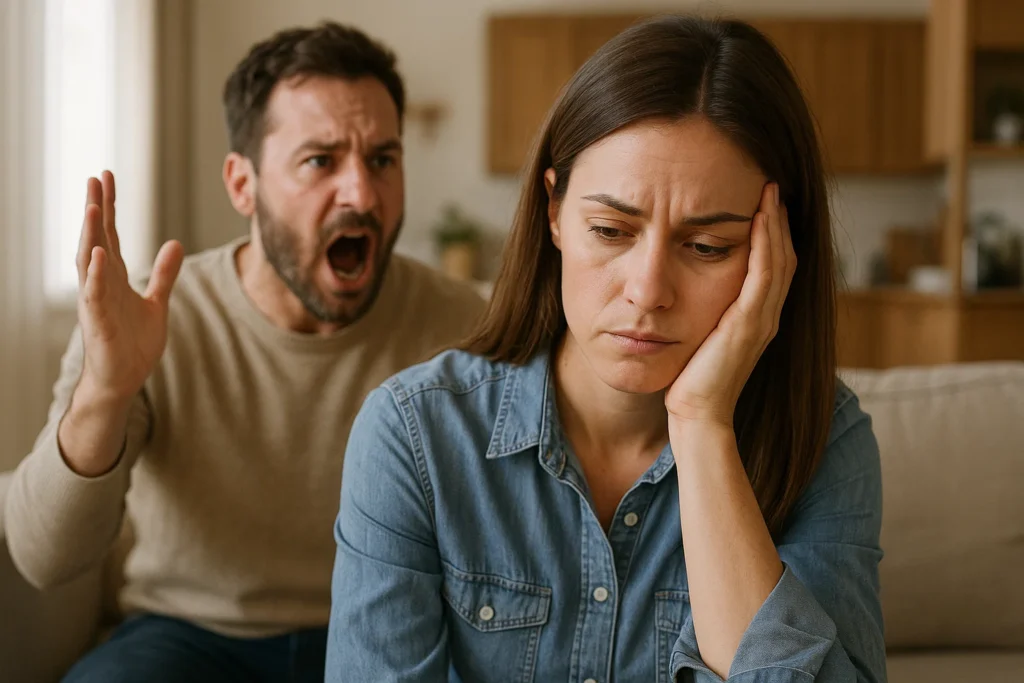
When Dialogue Stops Being Healthy and Turns into an Argument
Have you ever felt like you’re talking, but not really being heard?
Many couples live with this exact dilemma. Even when they love each other, they gradually lose their way in communication — and little by little, misunderstandings turn into unnecessary arguments.
The good news is that psychology offers effective tools to help couples develop more empathetic, clear, and healthy communication.
In this article, we’ll explore why communication is the heart of a relationship and how emotional bonds can be strengthened through simple yet transformative psychological practices.
1. What Is Healthy Communication in a Relationship?
Many people believe that communication is simply about talking — but in reality, communication is about connection.
Healthy communication involves expressing feelings while genuinely listening to the other person. It is an emotional and empathetic exchange.
Psychology understands that each person has a unique communication style shaped by life experiences, family dynamics, and core beliefs. As a result, what feels like “open communication” to one partner may sound like criticism or pressure to the other.
Practical example:
Maria tends to vent and share everything she feels. João, on the other hand, shuts down to “avoid making things worse.” Both are trying to do their best, but without realizing it, they drift apart — because their communication styles don’t match.
The first step, therefore, is recognizing emotional expression differences and learning to translate them with empathy.
2. What Psychology Teaches About Emotional Communication
Psychology shows that communication between partners goes far beyond words. Facial expressions, tone of voice, gestures, and even silence communicate intentions and emotions.
Studies in Social Psychology and Couples Therapy indicate that satisfied couples are not those who never argue, but those who know how to communicate during conflict.
According to American psychologist John Gottman, a world-renowned expert in relationships, couples who last long-term learn to speak with respect, validate each other’s emotions, and use humor to reduce tension.
In other words, it’s not about avoiding disagreements — it’s about knowing how to talk through them.
3. Talking Is Different From Connecting
In the rush of daily life, couples often talk without truly listening.
Many times, the mind is busy preparing a response before the other person even finishes speaking. This creates a defensive environment instead of a supportive one.
Psychology refers to this as reactive listening — listening in order to respond, not to understand.
The goal is to develop active listening, a core skill in any healthy relationship.
Practical example:
Instead of interrupting to justify yourself, try responding with:
“I understand what you’re saying.”
“I hadn’t thought about it that way.”
“Can you explain more about how you felt?”
These small shifts turn dialogue into a bridge, not a battlefield.
4. The Impact of Communication on Relationship Satisfaction
Scientific research shows that communication quality is the strongest predictor of relationship satisfaction.
A study published in the Journal of Marriage and Family found that couples who engage in empathetic and open dialogue report higher levels of happiness, stability, and emotional well-being.
From the perspective of positive psychology, healthy communication strengthens emotional safety — a key element in long-term bonding.
When partners feel heard and respected, the brain releases oxytocin, the hormone associated with trust and connection.
Additionally, healthy communication reduces stress and improves emotional self-regulation, helping both partners cope better with frustrations and differences.
5. Psychological Techniques to Improve Communication in Relationships
Clinical psychology and couples therapy offer practical techniques to help couples communicate more effectively:
1. Active Listening
Listening without judgment or interruption. It involves eye contact, interest, and emotional validation.
Instead of saying, “You’re overreacting,” try, “I understand this was frustrating for you.”
2. Nonviolent Communication (NVC)
Developed by Marshall Rosenberg, this approach teaches empathetic expression without blame or criticism.
It follows four steps: observe, feel, need, and request.
Example:
“When you come home late, I feel unappreciated. I need more consideration. Could you let me know in advance?”
3. Positive Feedback
Recognizing what your partner does well. According to John Gottman, happy couples have five positive interactions for every negative one.
Example: “I really liked how you handled that situation — it made me feel safe.”
4. Emotional Pause
When tension rises, pausing is healthier than pushing forward. Breathing, walking, or drinking water helps the brain exit defensive mode.
The conversation can resume later with more clarity and empathy.
5. Connection Rituals
Set aside daily time to talk without distractions — even 10 minutes before bed or during breakfast.
The goal is to keep the emotional bond alive.
6. How a Psychologist Helps Couples Communicate Better
The psychologist’s role is to facilitate self-awareness within the relationship.
In sessions, couples learn to identify dysfunctional communication patterns, understand the emotions behind words, and develop healthier dialogue strategies.
In couples therapy, the psychologist acts as a neutral mediator — translating emotions and offering tools so both partners can find balance.
Many couples realize that the issue isn’t what they talk about, but how the conversation happens.
Real example:
Carla and Felipe frequently argued because Felipe spent too much time on his phone.
In therapy, Carla recognized that the phone symbolized emotional absence for her. Felipe realized he used it to decompress after work.
By understanding each other’s emotional needs, they adjusted habits and improved communication.
7. Small Actions That Transform Communication
Make eye contact when talking.
Avoid difficult conversations when tired or irritated.
Use “we” instead of “you always” or “you never.”
Practice empathy — see the world through your partner’s eyes.
Celebrate small wins, like a conversation that ends in understanding.
These habits build trust and reduce misunderstandings.
8. When to Seek Professional Help
Even happy couples benefit from couples therapy.
If certain topics always lead to arguments or emotional shutdown, psychological support can be a powerful ally.
A psychologist provides a neutral space where partners can express themselves without fear or blame — strengthening respect, connection, and partnership.
Final Thoughts
Communication is the soul of every relationship.
When it’s healthy, love grows with ease; when it breaks down, the bond slowly erodes.
With the right tools — and patience — it’s possible to turn conversation into a daily act of love.
Psychology shows that couples who truly learn to listen build relationships that are safer, stronger, and more fulfilling.
