
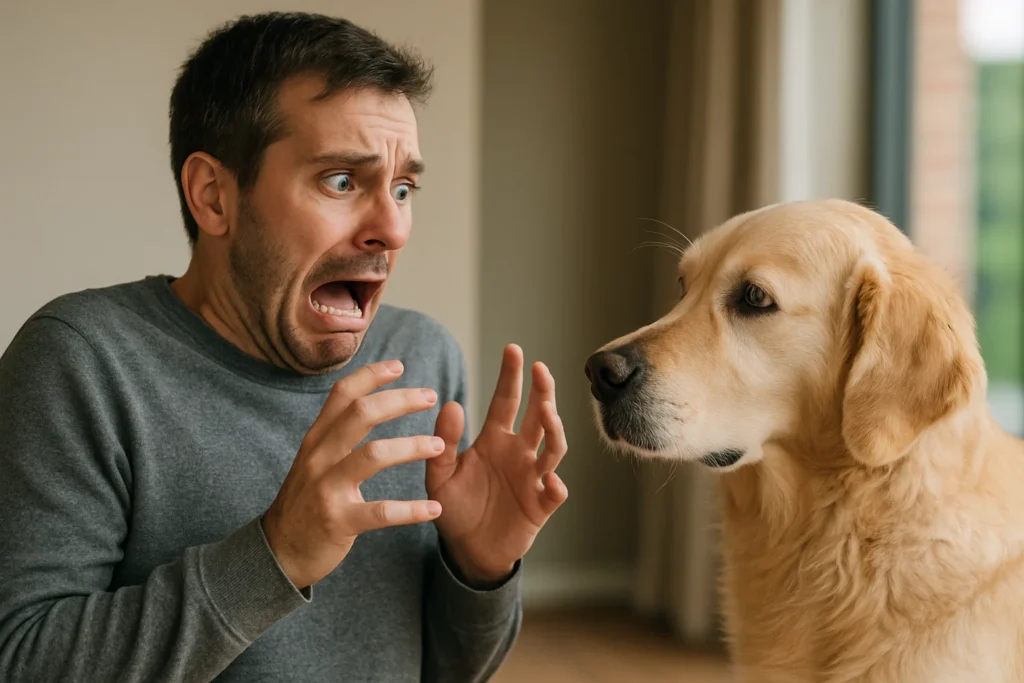
Dog Phobia: What It Is, Causes, and How Psychology Can Help
Feeling afraid when facing a dog is common, especially if the animal is unfamiliar or shows aggressive behavior. However, when this fear becomes intense, persistent, and interferes with a person’s daily life, it may indicate a dog phobia — a specific type of animal phobia.
Psychology recognizes this condition as an anxiety disorder that can be successfully treated. In this article, you will understand the causes, symptoms, and the most effective therapeutic approaches to overcoming the fear of dogs.
What Is Dog Phobia?
Dog phobia, clinically known as cynophobia, is an irrational and disproportionate fear of dogs, regardless of their size, breed, or behavior.
People with this phobia may panic when seeing a dog from a distance, hearing barking, or even imagining situations involving dogs. This intense fear goes far beyond normal caution and can limit everyday activities such as leaving home, visiting friends, or going to public places.
Main Causes of Dog Phobia
The causes of dog phobia are multifactorial and may involve past experiences, family influences, and emotional predispositions. The most common include:
1. Traumatic experiences in childhood
A bite, scare, or attack by a dog during childhood can create a deep negative emotional memory. Over time, the brain begins to associate all dogs with danger, triggering automatic fear responses.
2. Learning by observation
Even without a direct experience, a child may develop fear by observing parents, siblings, or others reacting with panic around dogs.
3. Genetic and temperamental factors
Some individuals are born with a temperament that is more sensitive to anxiety, which can increase vulnerability to developing specific phobias.
4. Lack of positive contact
Limited exposure to animals during childhood may hinder familiarity and increase the perception of threat later in life.
Symptoms of Dog Phobia
Symptoms vary in intensity but often include strong physical and emotional reactions, such as:
Rapid heartbeat and shortness of breath
Trembling and excessive sweating
Feelings of panic or loss of control
Crying, freezing, or fleeing when near dogs
Catastrophic thoughts (“It will attack me,” “I won’t be able to escape”)
Avoidance of places where dogs may be present
These symptoms significantly affect quality of life, as the person begins organizing their routine to avoid any contact with dogs, reinforcing the cycle of fear.
How Psychology Can Help Treat Dog Phobia
The good news is that dog phobia is treatable — and therapy is highly effective in this process.
1. Cognitive-Behavioral Therapy (CBT)
CBT is one of the most widely used approaches for treating phobias. The psychologist helps the patient identify and restructure distorted thoughts (“All dogs are dangerous,” “I can’t control myself”) and replace them with more realistic perceptions.
Therapy also includes gradual desensitization techniques, in which the patient is carefully exposed to images, sounds, and eventually real-life contact with dogs, always at a pace that feels safe.
2. Relaxation and emotional regulation training
Learning to control breathing and reduce the body’s fear response is essential. Techniques such as mindfulness, diaphragmatic breathing, and positive visualization are commonly used.
3. Psychoeducational support
Understanding how phobias work — their causes and symptoms — helps patients realize that fear does not define who they are. It is a learned response that can be changed.
4. Multidisciplinary intervention
In some cases, the psychologist may work alongside a psychiatrist when fear is so intense that it triggers severe anxiety attacks. Medication may be used temporarily to support the therapeutic process.
The Importance of the Therapeutic Relationship
Treatment success largely depends on the trust between therapist and patient. Feeling understood and respected, without judgment, creates a safe environment where confidence can be rebuilt and anxiety gradually reduced.
Practical Tips for Those Ready to Face the Fear
Talk about your fear — acknowledging the problem is the first step.
Avoid facing it alone — seek professional guidance before exposing yourself to dogs.
Observe calm, friendly dogs — watching safe interactions helps the brain form new associations.
Practice breathing techniques whenever anxiety arises.
Trust the process — overcoming a phobia takes time, but it is entirely possible.
Final Considerations
Dog phobia is a real but treatable fear. It should not be a source of shame or isolation, as it reflects an intense emotional response that can be understood and transformed with proper support.
Psychotherapy offers effective tools to help individuals regain emotional control, rebuild self-confidence, and live more freely — without allowing fear to dictate their lives.
