

🧠 Mixed anxiety and depressive disorder: causes, symptoms, and psychological treatment
Mixed anxiety and depressive disorder is a psychological condition that combines symptoms of anxiety and depression simultaneously. It is one of the most common emotional manifestations today, but also one of the most underdiagnosed.
Many people experience sadness, discouragement, and constant worry, without knowing exactly if they are anxious, depressed—or both. This condition can profoundly affect well-being, productivity, and personal relationships.
In this article, we will understand what characterizes mixed anxiety and depressive disorder, its causes, symptoms, and how psychotherapy can help restore emotional balance.
1. What is mixed anxiety and depressive disorder?
Mixed anxiety and depressive disorder is characterized by the simultaneous presence of symptoms of anxiety and depression , without one clearly predominating over the other.
A person may experience fear, excessive worry, and tension, while simultaneously exhibiting sadness, apathy, low self-esteem, and a loss of pleasure in daily activities.
According to the International Classification of Diseases (ICD-10) , this disorder is included in the group of neurotic disorders , as it is usually associated with emotional factors, stress, and difficulties in adaptation.
2. Most common symptoms
The symptoms of mixed anxiety and depressive disorder vary from person to person, but they usually involve emotional, cognitive, and physical aspects.
Among the main ones are:
Symptoms of anxiety include: constant worry, fear without apparent reason, muscle tension, insomnia, difficulty concentrating, and a feeling of permanent alertness.
Symptoms of depression: deep sadness, lack of energy, disinterest in previously enjoyable activities, feelings of guilt and hopelessness.
Physical symptoms: palpitations, tremors, headaches, gastric discomfort, and fatigue.
These signs may appear mildly at first, but over time they tend to interfere with relationships, work, and quality of life if left untreated.
3. Causes of mixed anxiety and depressive disorder
Mixed anxiety and depressive disorder has a multifactorial origin , meaning it arises from a combination of biological, psychological, and social aspects.
Among the main causes are:
3.1. Biological factors
Genetic predisposition, imbalances in neurotransmitters (such as serotonin and dopamine), and a family history of emotional disorders.
3.2. Psychological factors
Trauma, emotional losses, low self-esteem, and dysfunctional thought patterns — such as constant pessimism and excessive self-criticism.
3.3. Social and environmental factors
Prolonged stress, work overload, toxic relationships, and lack of emotional support are also frequent triggers.
The interaction between these factors creates an emotional cycle in which fear and sadness reinforce each other, making recovery difficult without professional help.
4. Diagnosis and importance of psychological assessment
The diagnosis of mixed anxiety and depressive disorder should be made by a psychologist or psychiatrist , based on a detailed assessment of the patient’s symptoms and emotional history.
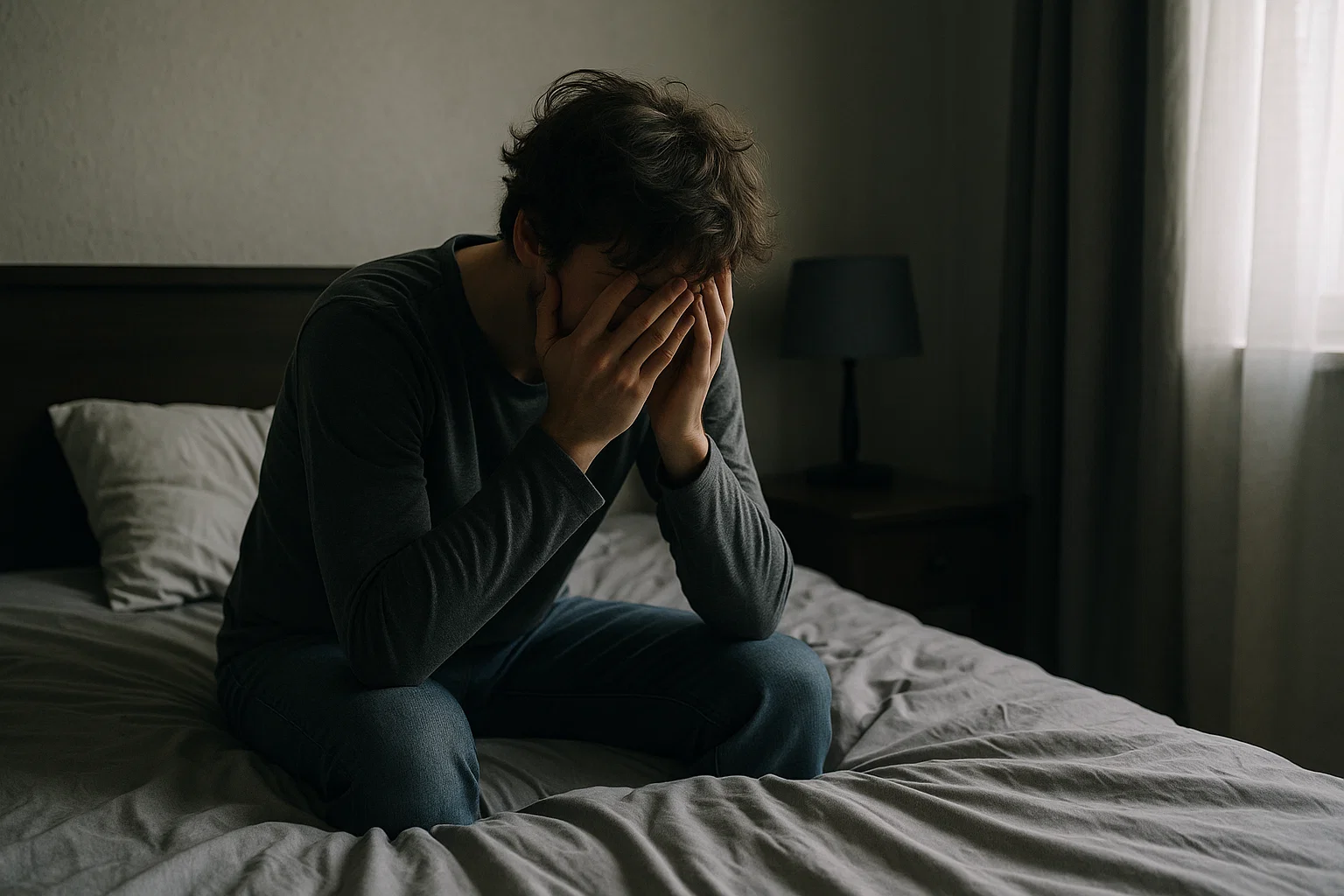
Often, people with this condition only seek help when the physical symptoms become intense — such as insomnia, tachycardia, or crying spells — without realizing that the origin lies in the emotional realm.
Psychological assessment allows us to identify:
The intensity of the symptoms;
The presence of emotional triggers;
The impact on daily routines and relationships;
And the best therapeutic intervention plan.
5. Psychological treatment of mixed anxiety and depressive disorder
Treatment is essentially multidisciplinary , and may involve psychotherapy, psychiatric follow-up, and lifestyle changes.
5.1. Psychotherapy
Cognitive behavioral therapy (CBT) is one of the most effective approaches, as it helps patients recognize and modify negative thought patterns that fuel anxiety and depression.
During the sessions, the psychologist works on:
Cognitive restructuring (changing dysfunctional automatic thoughts);
Stress coping strategies;
Training in emotional and social skills;
Self-awareness and strengthening self-esteem.
5.2. Psychiatric support
In some cases, the use of antidepressant or anxiolytic medication may be necessary , always prescribed by a psychiatrist. The combination of psychotherapy and medication usually yields positive and lasting results.
5.3. Lifestyle changes
Adequate sleep, a balanced diet, regular exercise, and relaxing activities are also part of the treatment, as they strengthen the mind-body balance.
6. How does psychology help in emotional recovery?
The psychologist’s role is fundamental in this process. They help the patient understand their emotions, develop self-control, and find meaning in their experiences.
Among the main benefits of the therapy are:
Reduction of symptoms of anxiety and depression;
Increased self-confidence and resilience;
Improved ability to cope with stressful situations;
Prevention of emotional relapses.
Psychotherapy not only offers relief, but also promotes profound emotional transformation , allowing the patient to rebuild their life in a lighter and more balanced way.
7. When to seek professional help
If you notice that symptoms of anxiety and sadness are frequent, intense, and affecting your daily life, it’s important to seek help as soon as possible .
Ignoring emotional cues can lead to a worsening of the condition and chronicity of symptoms. The sooner treatment begins, the better the results and quality of life.
Remember: asking for help is an act of courage , not weakness.
Final considerations
Mixed anxiety and depressive disorder is an emotional challenge that deserves attention and care. By recognizing the signs and seeking psychological support, it is possible to regain mental balance and build a more stable and healthy life.
Therapy is an effective way to understand your emotions, confront fears, and give new meaning to pain. Taking care of your mind is just as important as taking care of your body—and every step toward self-awareness is an investment in well-being and emotional freedom.
