
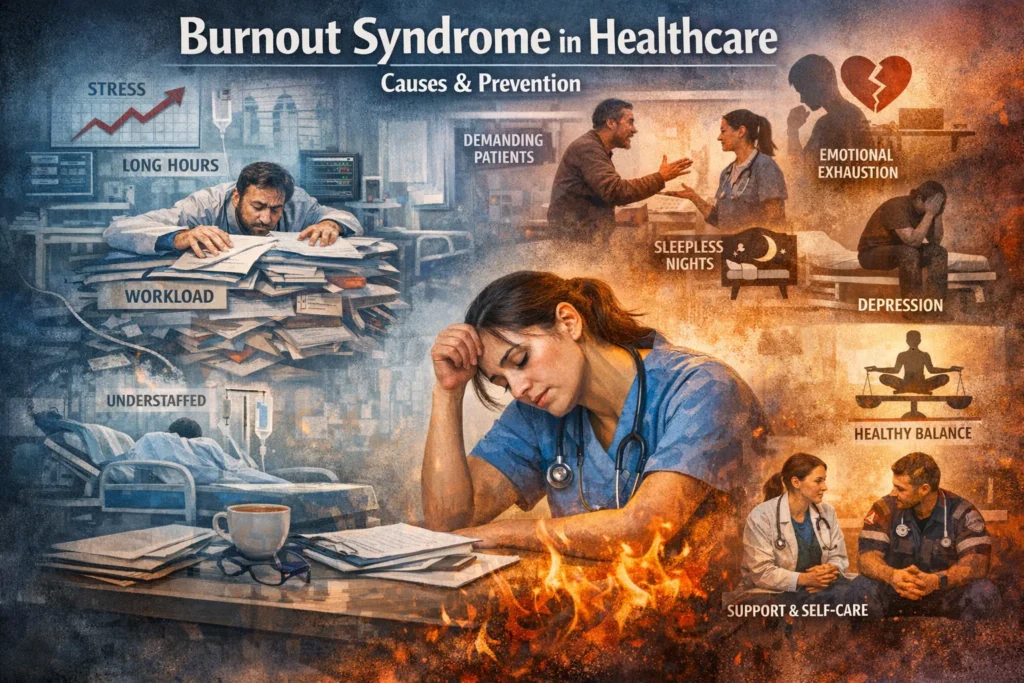
Burnout Syndrome in Healthcare Professionals: Causes and Prevention
Caring for people is one of the noblest missions—and also one of the most challenging. Doctors, nurses, psychologists, physiotherapists, and other healthcare professionals face high-pressure situations, long hours, human suffering, and intense emotional demands daily. In this context, it is not uncommon for many to develop burnout syndrome , a physical and mental exhaustion that can compromise both health and professional performance.
In this article, you will understand what Burnout Syndrome is in healthcare professionals , what its main causes and symptoms are , and how psychology can help in the prevention and treatment of this problem that affects thousands of people worldwide.
What is Burnout Syndrome?
Burnout syndrome , also known as professional burnout syndrome , is an emotional disorder characterized by extreme exhaustion , depersonalization , and reduced personal accomplishment at work .
It doesn’t appear overnight. It’s the result of a prolonged accumulation of stress and overload. In healthcare professionals, burnout is especially common because of the nature of the profession—constantly dealing with pain, urgency, suffering, and death can generate intense psychological pressure.
According to the World Health Organization (WHO) , burnout syndrome is officially recognized as an occupational phenomenon, meaning it is directly related to the work environment.
Why are healthcare professionals so vulnerable to burnout?
Healthcare professionals are among the groups most affected by burnout, and this is no coincidence. Several reasons explain this vulnerability:
Excessive working hours: many work long shifts with few breaks and insufficient rest.
High emotional responsibility: dealing with human lives requires concentration, empathy, and resilience, which drains mental energy.
Poor working conditions: overcrowded hospital environments and lack of resources are daily stressors.
Constant exposure to suffering: witnessing pain, death, and frustration generates emotional exhaustion.
Pressure for results: the fear of making mistakes and the demand for efficiency increase anxiety levels.
These factors, combined with a lack of psychological support and difficulty in asking for help, create fertile ground for the emergence of Burnout syndrome.
Symptoms of Burnout Syndrome in Healthcare Professionals
Burnout symptoms manifest physically, emotionally, and behaviorally. Recognizing these signs is essential for seeking help early.
Physical symptoms:
Constant tiredness, even after resting.
Insomnia or poor sleep quality.
Frequent muscle aches and headaches.
Changes in appetite and low immunity.
Emotional symptoms:
Feeling of failure or helplessness.
Irritability and impatience.
Lack of motivation and enjoyment of the job.
A feeling of emptiness and hopelessness.
Behavioral symptoms:
Social isolation.
Reduced professional performance.
Cynical or cold attitudes towards patients and colleagues.
Increased use of alcohol, medication, or other substances.
These signs should not be ignored. Burnout is a warning that something needs to change — in the pace, expectations, or how the professional deals with work and emotions.
The consequences of burnout in the healthcare field.
Burnout syndrome doesn’t just affect the professional—its impacts extend to the work environment and the quality of service provided.
For the professional: it increases the risk of depression, anxiety, substance abuse, and even suicidal thoughts.
For patients: there is a decline in the quality of care, communication failures, and a greater chance of clinical errors.
For institutions: Burnout increases absenteeism rates, turnover, and costs associated with medical leave.
A study published in the Journal of the American Medical Association (JAMA) revealed that more than 50% of physicians exhibit symptoms consistent with burnout. This alarming number shows that the problem is systemic and requires urgent attention from institutions and professionals.
How to prevent burnout syndrome
Prevention begins with self-awareness and respecting one’s own limits . Some effective strategies include:
Establish clear boundaries: knowing how to say “no” when necessary is a way to protect your mental health.
Take regular breaks: even short breaks during the workday help reduce accumulated stress.
Cultivate hobbies and leisure activities: enjoyable activities outside of work recharge emotional energy.
Seeking social support: talking to colleagues, friends, or family about challenges helps to alleviate the emotional burden.
Investing in psychotherapy: psychological support is one of the most effective ways to prevent burnout.
Cognitive Behavioral Therapy (CBT) , for example, helps professionals recognize dysfunctional thought patterns, develop coping strategies, and strengthen emotional regulation skills.
How can psychology help in the treatment of burnout?
Psychology plays an essential role in both the prevention and treatment of burnout syndrome. Therapeutic work allows the professional to:
Understand the causes of burnout;
Learn to recognize signs of stress before they become critical;
Develop self-care and emotional regulation skills;
Strengthen the balance between personal and professional life;
Rediscover purpose and satisfaction in your work.
Furthermore, some specific psychotherapeutic approaches, such as Mindfulness-Based Cognitive Therapy (MBCT) and Acceptance and Commitment Therapy (ACT) , have shown excellent results in reducing occupational stress and promoting emotional well-being.
The role of health institutions
Institutions also have a responsibility in preventing burnout. Healthy work environments and institutional policies focused on well-being are fundamental.
Possible measures include:
Psychological support programs and listening groups;
More balanced work schedules;
Training on mental health and self-care;
Professional development and performance recognition.
When caregiver support is put into practice, everyone wins — the professional, the patient, and the healthcare system as a whole.
Final considerations
Burnout syndrome in healthcare professionals is a serious and growing problem. Ignoring the signals from the body and mind can lead to serious consequences. Therefore, it is essential that emotional self-care and psychological support be considered part of the routine for those who care for others.
Recognizing your limitations is not a sign of weakness—it’s an act of courage. Seeking psychological help, practicing self-care, and maintaining a strong support network are fundamental steps in preserving a balance between work and personal life.
Taking care of yourself is, first and foremost, a way of continuing to take good care of others.
