

Sports psychology: how does a sports psychologist work?
Sports psychology is a branch of psychology that studies the emotional, cognitive, and behavioral factors that influence the performance of athletes and sports teams. More than just improving performance, sports psychologists work to promote well-being, mental balance, and personal development in athletes.
In this article, you will understand what a sports psychologist does, when to seek this professional, and what benefits they offer to amateur and professional athletes.
What is sports psychology?
Sports psychology is the field of psychology focused on the study of the mind in the context of sports. It investigates how emotions, motivation, focus, and relationships affect physical performance.
In addition, this area is also concerned with:
✅ Prevention of injuries due to emotional factors
✅ Emotional recovery after injuries
✅ Management of anxiety in competitions
✅ Development of self-confidence and discipline
How does a sports psychologist work?
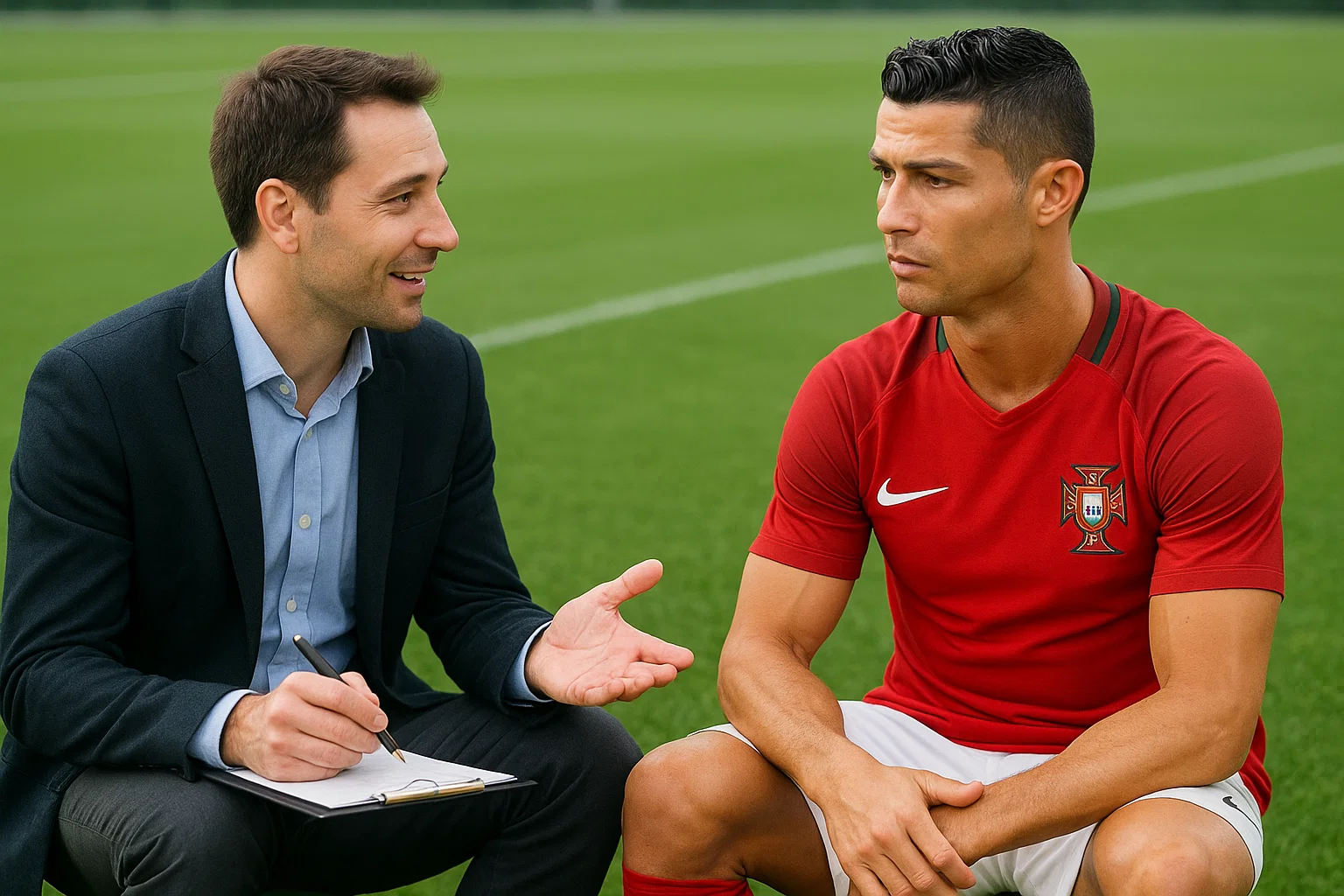
A sports psychologist works directly with athletes, coaches, technical teams, and even families, with the goal of promoting mental health and maximizing athletic performance. Key activities include:
🔹 Psychological assessment – identification of emotional, behavioral, and cognitive aspects that impact performance.
🔹 Individual or group interventions – use of techniques to deal with pressure, fear of failure, low self-esteem, among others.
🔹 Psychological skills training – such as focus, concentration, motivation, communication, and emotional control.
🔹 Competition support – emotional and mental support during tournaments and important events.
For example, an athlete who suffers from mental blocks before a competition can learn, with the help of a psychologist, to control their thoughts and reactions in order to compete with more confidence.
When should you seek the help of a sports psychologist?
The role of a sports psychologist is useful in various situations, such as:
🔸 Athletes who suffer from anxiety before competitions
🔸 Difficulty maintaining focus during training or games
🔸 Low motivation or self-confidence
🔸 Frequent injuries with an emotional basis
🔸 Conflicts with coaches or teammates
🔸 Athletes in career transition or retirement
Both professional and amateur athletes can benefit from psychological support.
Benefits of sports psychology
Among the main benefits provided by sports psychology , the following stand out:
✅ Increased self-awareness and emotional control
✅ Reduction of stress and competitive anxiety
✅ Strengthening of mental resilience
✅ Better adaptation to defeats and frustrations
✅ Improved communication between athletes and coaches
✅ Greater balance between personal life and sports career

Sports psychology: an ally for performance and well-being.
Beyond physical training, an athlete’s performance also depends on their mental health. Therefore, sports psychology has become an essential ally for those who wish to achieve peak performance with emotional balance.
If you are an athlete, coach, or work with sports teams, consider seeking support from a sports psychologist to strengthen your mind and achieve your goals.
