
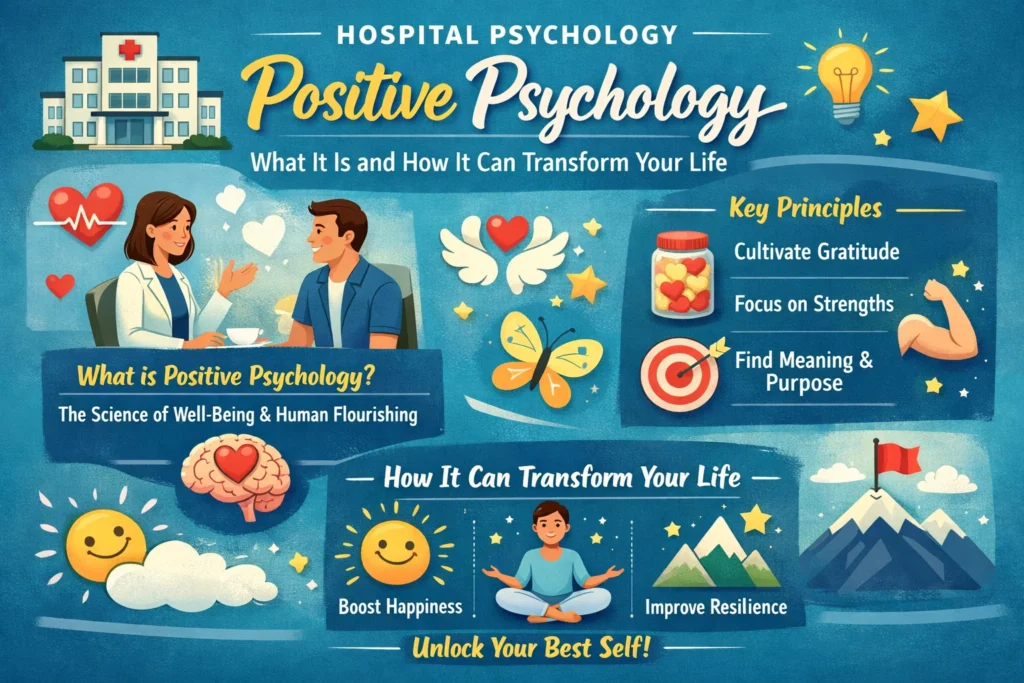
Positive Psychology: Discovering What Makes Life Worth Living
For most of its history, psychology focused primarily on what goes wrong with the human mind—depression, anxiety, trauma, dysfunction. While understanding and treating psychological suffering remains essential, an important question went largely unasked: What makes life genuinely worth living? What allows some people to thrive even amid difficulty? How can we cultivate the conditions that help humans flourish?
Positive psychology emerged to address these questions. Rather than simply reducing what’s negative, it explores how to amplify what’s positive—how to build lives characterized by meaning, engagement, connection, and growth. This isn’t about ignoring problems or forcing optimism, but about applying scientific rigor to understanding human strengths and wellbeing with the same seriousness traditionally applied to pathology.
Understanding Positive Psychology
Positive psychology represents the scientific study of what makes life fulfilling, satisfying, and worth living. Psychologist Martin Seligman formally launched this movement in the late 1990s when he proposed that psychology needed to balance its traditional focus on mental illness with equal attention to mental health and human flourishing.
This shift doesn’t reject the importance of treating psychological disorders. Rather, it recognizes that the absence of illness doesn’t automatically create wellbeing. Someone can be free from depression yet still feel their life lacks purpose. Someone can manage anxiety effectively yet never experience genuine joy or connection. Positive psychology asks: beyond treating what’s wrong, how do we cultivate what’s right?
The field explores themes often overlooked in traditional psychology: gratitude, hope, joy, curiosity, love, resilience, creativity, courage, and wisdom. It examines what allows relationships to thrive, what creates meaning in work, what helps people recover from setbacks, and what enables individuals to use their unique strengths.
Importantly, positive psychology grounds these explorations in rigorous research. It’s not self-help platitudes or wishful thinking, but empirical investigation into the factors that contribute to human flourishing. Researchers use controlled studies, validated measurements, and longitudinal data to understand what actually improves wellbeing versus what merely sounds appealing.
Consider gratitude practices. Positive psychology doesn’t simply assume gratitude is beneficial—researchers have conducted studies demonstrating that regularly acknowledging things we’re grateful for measurably increases life satisfaction, reduces stress symptoms, improves sleep quality, and even strengthens immune function. This evidence-based approach distinguishes positive psychology from generic positive thinking.
How Positive Psychology Changes Lives
The power of positive psychology lies in its practical applications. These aren’t abstract theories but concrete practices that research shows genuinely enhance wellbeing across various life domains.
Increasing daily wellbeing: Simple, evidence-based practices can shift your baseline happiness. Keeping a gratitude journal—regularly noting things you appreciate—trains attention toward positive aspects of life that might otherwise go unnoticed. Mindfulness practices cultivate present-moment awareness that reduces rumination and worry. Savoring exercises help you fully experience positive moments rather than rushing past them. Acts of kindness create both immediate mood boosts and longer-term satisfaction.
These practices don’t require perfect circumstances or dramatic life changes. Research shows they work precisely because they help people find wellbeing within their current reality, not by waiting for conditions to improve.
Strengthening relationships: Positive psychology reveals what makes relationships thrive. Active-constructive responding—genuinely celebrating others’ good news—strengthens bonds more than sympathy during difficulties. Expressing appreciation explicitly, rather than assuming others know you care, deepens connection. Approaching conflicts with curiosity about the other person’s perspective rather than defensiveness transforms disagreements from threats into opportunities for understanding.
These aren’t revolutionary insights, but positive psychology provides evidence for their importance and practical frameworks for implementing them. Partners who regularly express gratitude toward each other report higher relationship satisfaction. Friends who celebrate each other’s successes maintain stronger connections.
Building resilience: Life inevitably includes challenges, losses, and setbacks. Positive psychology doesn’t deny this reality but explores what helps people navigate difficulty successfully. Research shows that individuals who identify and consciously apply their character strengths—whether courage, creativity, persistence, fairness, or others—cope more effectively with adversity.
Resilience isn’t about being invulnerable or never struggling. It’s about recovering from setbacks, finding meaning even in difficult circumstances, and maintaining hope while acknowledging real challenges. Positive psychology provides tools for developing these capacities.
Discovering purpose: Many people struggle with a vague sense that life should mean something more, even when basic needs are met. Positive psychology takes questions of meaning and purpose seriously, exploring how people find significance in their daily activities and broader life direction. Research shows that experiencing life as meaningful correlates with better mental health, greater life satisfaction, and even physical health benefits.
Finding purpose doesn’t require grand achievements. It can involve connecting work to values that matter to you, contributing to causes you care about, using your strengths to benefit others, or creating something that reflects what you find beautiful or important.
The PERMA Framework: Five Pillars of Flourishing
Seligman proposed that wellbeing comprises five measurable, buildable elements captured in the PERMA model. Understanding these pillars provides a roadmap for cultivating flourishing.
Positive Emotions: This pillar involves experiencing feelings like joy, gratitude, serenity, interest, hope, pride, amusement, inspiration, awe, and love. Positive emotions aren’t just pleasant—they broaden thinking, build resources, and create upward spirals where feeling good helps you think more creatively and connect more openly, which generates more positive experiences.
Cultivating positive emotions doesn’t mean forcing happiness or denying difficult feelings. It means intentionally creating space for positive experiences and fully receiving them when they occur.
Engagement: Also called “flow,” this involves becoming so absorbed in activities that you lose self-consciousness and time seems to disappear. Whether playing music, solving problems, writing, gardening, or countless other pursuits, engagement creates deep satisfaction that passive pleasure can’t match.
Increasing engagement means identifying activities that challenge you at just the right level—difficult enough to require full attention but not so difficult that you feel overwhelmed—and creating more opportunities for these experiences.
Relationships: Human beings are fundamentally social. Positive, supportive relationships consistently emerge as one of the strongest predictors of wellbeing. Connection, belonging, intimacy, and feeling valued by others contribute enormously to life satisfaction.
Strengthening this pillar involves investing in relationships—spending quality time with people you care about, being genuinely present with them, expressing appreciation, offering support, and allowing yourself to receive support.
Meaning: This pillar addresses the question “Why?” Why does what you do matter? Meaning comes from belonging to and serving something you believe is bigger than yourself—whether family, causes, creativity, spirituality, community, or work that contributes value beyond your personal benefit.
People with strong sense of meaning often show remarkable resilience because difficulties don’t negate their fundamental reason for engaging with life.
Achievement: This involves pursuing accomplishment and mastery for their own sake. Setting goals, developing competence, making progress, and experiencing achievement create satisfaction independent of external rewards.
Achievement doesn’t require winning competitions or reaching conventional success markers. It can involve mastering a craft, completing meaningful projects, developing skills, or accomplishing things that matter to you personally.
Assessing your life across these five dimensions reveals where you’re thriving and where you might invest more attention to enhance overall flourishing.
Integrating Positive Psychology with Psychotherapy
Positive psychology doesn’t replace traditional therapeutic approaches but enriches them. Many therapists now integrate positive interventions with established treatment methods, creating more comprehensive care.
Cognitive Behavioral Therapy (CBT), for instance, traditionally focuses on identifying and modifying unhelpful thoughts and behaviors. Therapists increasingly supplement this with positive psychology interventions—helping clients recognize and build on existing strengths rather than focusing exclusively on deficits, cultivate gratitude alongside challenging negative thoughts, and pursue meaningful goals as part of behavior activation.
Someone experiencing low self-esteem might work both on challenging harsh self-criticism (traditional CBT) and on identifying and applying their character strengths in new contexts (positive psychology). This dual approach addresses what’s undermining wellbeing while actively building what supports it.
Importantly, positive psychology recognizes that suffering is real and sometimes interventions focused primarily on building positive resources aren’t appropriate. Someone in acute crisis needs immediate support and stabilization. Someone grieving profound loss needs space to process pain, not premature pressure to “find the positive.”
The most skillful integration of positive psychology acknowledges this, using positive interventions when they genuinely serve the client’s needs rather than applying them rigidly regardless of context.
Who Benefits from Positive Psychology?
One of positive psychology’s strengths is its broad applicability. While clinical psychology primarily serves people experiencing diagnosable disorders, positive psychology offers value to anyone interested in living better, regardless of whether they’re struggling with mental health challenges.
Students use positive psychology interventions to increase motivation, manage academic stress, develop effective study habits, and maintain wellbeing during demanding educational periods. Research shows that students who identify their signature strengths and find ways to apply them in academic contexts experience greater engagement and satisfaction.
Organizations implement positive psychology principles to improve workplace culture, increase employee engagement, reduce burnout, and enhance both productivity and worker wellbeing. Companies focusing only on eliminating negatives (reducing conflict, managing poor performance) miss opportunities to amplify positives (recognizing strengths, celebrating achievements, fostering meaning).
Couples apply positive psychology to strengthen their relationships—expressing appreciation regularly, celebrating each other’s successes, building shared positive experiences, and approaching their relationship as something to actively cultivate rather than simply maintain.
Parents use positive psychology to raise resilient children—helping kids identify their strengths, teaching gratitude practices, fostering growth mindsets, and creating family cultures that balance acknowledging difficulties with recognizing good things.
Individuals navigating major life transitions, seeking greater life satisfaction, or simply curious about living more fully benefit from positive psychology’s evidence-based approaches to wellbeing.
The universality of positive psychology reflects a fundamental truth: while some people need intensive support for serious psychological struggles, virtually everyone can benefit from intentionally cultivating the conditions that support flourishing.
Building a Life Worth Living
Positive psychology fundamentally broadens our understanding of what psychology can offer. Mental health isn’t simply the absence of mental illness—it’s the presence of vitality, purpose, connection, and growth. Effective psychological care addresses not just what’s broken but what’s possible.
This perspective proves particularly valuable in our current moment. Many people today aren’t suffering from diagnosable disorders but nonetheless feel something missing—a vague sense of emptiness, disconnection, or purposelessness despite material comfort. Positive psychology provides language and tools for addressing these concerns without pathologizing them.
The practices positive psychology offers aren’t quick fixes or magic solutions. Cultivating wellbeing requires ongoing attention and effort, much like maintaining physical health. But research consistently demonstrates that these practices work when applied consistently, gradually shifting both moment-to-moment experience and overall life satisfaction.
If you’re seeking to enhance your wellbeing, consider working with a psychologist trained in positive psychology approaches. They can help you assess your current functioning across wellbeing dimensions, identify specific interventions suited to your circumstances and goals, and support you in building sustainable practices that genuinely improve your quality of life.
Alternatively, you might begin exploring positive psychology independently—keeping a gratitude journal, identifying your character strengths through validated assessments, practicing mindfulness, or intentionally savoring positive experiences. Small, consistent practices often yield surprisingly meaningful results.
Ultimately, positive psychology invites a simple but profound shift: What if we invested as much energy in building what makes life good as we do in fixing what makes it difficult? The evidence suggests that when we do, both our individual lives and our collective wellbeing transform in remarkable ways.
