
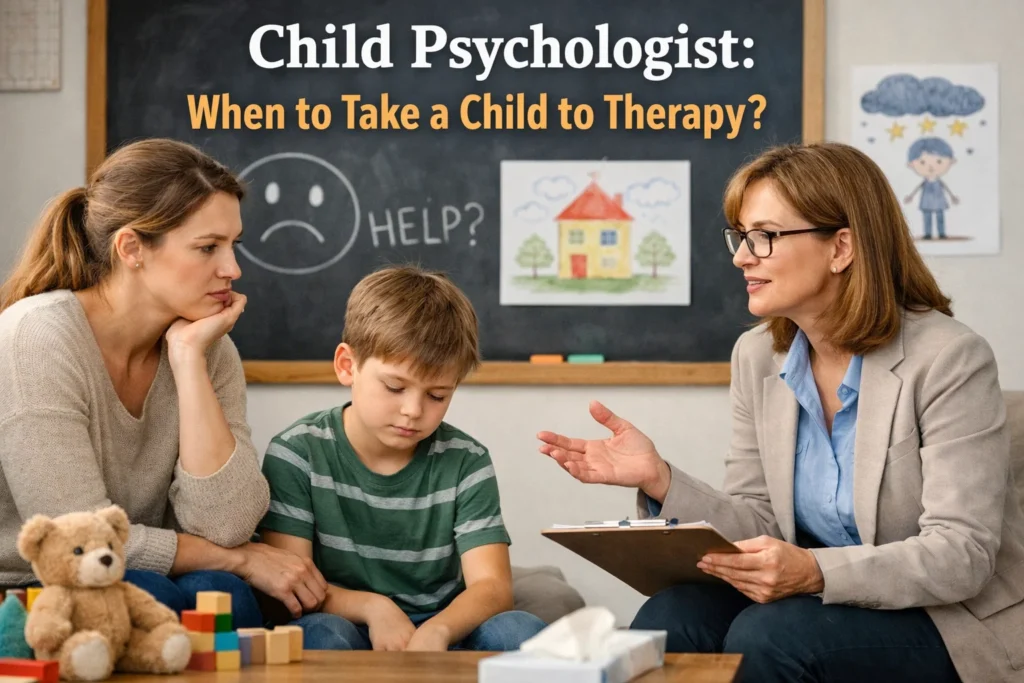
Child Psychology: A Parent’s Guide to Knowing When Your Child Needs Therapy
As a parent, few things are more unsettling than watching your child struggle and not knowing how to help. Children experience big emotions and face real challenges, but they often lack the vocabulary or cognitive development to communicate what’s happening inside. When behavioral changes persist, when difficult emotions seem overwhelming, or when family dynamics shift dramatically, many parents wonder: could therapy help?
The answer is often yes. Child psychology offers powerful tools for supporting children through emotional difficulties, developmental challenges, and life transitions. This guide will help you recognize when professional support might benefit your child, understand what child therapy involves, and feel confident taking that first step.
Understanding the Role of a Child Psychologist
Child psychologists are mental health professionals specializing in the unique psychological, emotional, and developmental needs of children and adolescents. Their training encompasses normal child development, family systems, and age-appropriate therapeutic techniques that differ significantly from adult therapy approaches.
Unlike adult therapy, which relies heavily on verbal communication, child therapy meets children where they are developmentally. Younger children work through play therapy, art, storytelling, and games—activities that feel natural to them while revealing their inner emotional world. Older children and teens may engage in more traditional talk therapy, though creative approaches remain valuable throughout childhood.
Child psychologists don’t just work with children in crisis. They also provide preventive support, help develop emotional intelligence and coping skills, assist with normal developmental challenges, support families through transitions, and strengthen parent-child relationships. Seeking help early, before small difficulties become entrenched patterns, is often the most effective approach.
Recognizing the Signs: When to Consider Therapy
Every child experiences ups and downs, difficult phases, and challenging behaviors. The question isn’t whether your child ever struggles, but whether those struggles are persistent, intense, or significantly impacting their functioning. Here are key indicators that professional support could help:
Persistent Changes in Behavior or Mood
Children’s moods and behaviors naturally fluctuate, but dramatic or lasting changes warrant attention. A previously outgoing child who becomes withdrawn and avoids activities they once enjoyed, a calm child who becomes increasingly irritable or aggressive, a confident child who suddenly seems anxious or fearful, or any personality shift that persists for several weeks may signal emotional distress.
The key word is persistent. A few difficult days after a disappointment is normal. Weeks or months of changed behavior suggests something deeper needs attention. Trust your parental instinct—you know your child best, and if something feels off, it probably deserves exploration.
Difficulties with Social Relationships
Social connection is fundamental to healthy development. Warning signs include consistent difficulty making or keeping friends, extreme shyness or anxiety in social situations, inability to read social cues or respond appropriately, frequent conflicts with peers, or being targeted by bullies or engaging in bullying behavior.
A child who cries intensely before school every day, refuses playdates, or experiences panic when facing social situations may be dealing with social anxiety. Conversely, a child who struggles to understand personal boundaries, frequently gets into conflicts, or is isolated by peers may need support developing social skills and emotional regulation.
Academic Struggles Without Clear Cause
When a child’s academic performance declines without an obvious learning disability, emotional factors often play a role. Sudden drops in grades, difficulty concentrating in class, loss of motivation or interest in learning, school refusal or frequent complaints about physical symptoms on school days, and perfectionism that leads to anxiety or avoidance all suggest emotional rather than purely cognitive challenges.
Before labeling a child as unmotivated or lazy, consider what emotions might be interfering. Performance anxiety, fear of failure, low self-esteem, attention difficulties linked to anxiety or depression, and social stress at school can all manifest as academic problems. A child psychologist can help distinguish between learning challenges and emotional obstacles.
Processing Significant Life Events
Major transitions and losses affect children deeply, even when adults minimize their impact. Children may need therapeutic support following parental separation or divorce, death of a family member, pet, or friend, relocation to a new home or school, arrival of a new sibling, serious illness in the family, or witnessing traumatic events.
Children don’t always show grief or stress in expected ways. They might regress to earlier developmental stages—bedwetting after being potty trained, baby talk, separation anxiety. They might act out anger through behavior rather than words. They might seem fine on the surface while struggling internally. Therapy provides a safe space to process these experiences with professional guidance.
Regressive or Compulsive Behaviors
Regression to earlier developmental stages or the emergence of compulsive behaviors often indicates emotional overwhelm. Watch for bedwetting or toileting accidents after successful training, thumb-sucking or other self-soothing behaviors that had stopped, separation anxiety that seems excessive for the child’s age, repetitive behaviors like excessive hand-washing or checking rituals, nervous habits or tics that interfere with daily life, and extreme rigidity about routines or rules.
These behaviors represent the child’s attempt to manage anxiety or stress using the coping mechanisms available to them. Rather than punishment or pressure to stop, these situations call for understanding the underlying emotional need and teaching healthier coping strategies.
Unexplained Physical Symptoms
Children often express emotional distress through their bodies, particularly when they lack the developmental capacity or vocabulary to articulate feelings. Frequent complaints of headaches, stomachaches, or other pain without medical cause, symptoms that appear in specific situations (like before school), changes in sleep patterns—difficulty falling asleep, nightmares, or sleeping too much—and significant changes in appetite or eating habits may all reflect emotional rather than physical issues.
Always rule out medical causes first, but when physicians find no physical explanation, consider emotional factors. The mind-body connection is powerful in children, and addressing the emotional root often resolves the physical symptoms.
Concerning Behavioral Red Flags
Some behaviors require immediate professional intervention. These include expressions of wanting to die or suicidal thoughts, self-harm behaviors (cutting, hitting oneself, etc.), extreme aggression toward people or animals, setting fires or destroying property, substance experimentation in older children, or excessive preoccupation with violence or death.
These behaviors always warrant professional evaluation. Don’t wait to see if they pass—reach out to a mental health professional immediately, and if there’s imminent danger, seek emergency care.
What Happens in Child Therapy?
Understanding the therapeutic process helps ease both parent and child anxiety about beginning treatment.
The Initial Assessment
Child therapy typically begins with an intake session, often with parents alone or parents and child together. The psychologist gathers developmental history, learns about current concerns, asks about family dynamics and home environment, discusses the child’s school experience and friendships, and identifies specific behaviors or symptoms causing concern.
Following this, the psychologist meets with the child for assessment sessions. These might involve play, drawing, or conversation, depending on the child’s age. The psychologist observes how the child relates to them, handles emotions, and expresses themselves. This assessment phase helps develop an accurate understanding of the child’s needs and create a treatment plan.
Therapeutic Techniques and Approaches
Child therapy draws from various evidence-based approaches tailored to each child’s age and needs. Play therapy uses toys, games, and imaginative play to help children express and process emotions. Art therapy employs drawing, painting, and other creative expression as communication tools. Cognitive-behavioral therapy teaches older children to identify thought patterns and develop coping strategies. Family therapy involves parents and siblings to address relationship dynamics and improve communication. Parent guidance provides coaching to help parents respond effectively to their child’s needs.
Sessions typically last 45-50 minutes and occur weekly, though frequency may vary based on the child’s needs. The psychologist might work on emotional identification and vocabulary, developing self-regulation skills, processing specific experiences or traumas, improving social skills and problem-solving, building self-esteem and confidence, and changing unhelpful thought or behavior patterns.
The Parent’s Role
Successful child therapy requires active parent involvement. Parents aren’t just bystanders—they’re essential partners in their child’s progress. Expect regular communication with the therapist about your child’s progress, guidance sessions to learn strategies for supporting your child at home, recommendations for changes to routines or parenting approaches, and involvement in certain therapy sessions when beneficial.
Parents should maintain consistency with homework or practices the therapist assigns, remain patient with the process (change takes time), avoid asking the child detailed questions about what happens in therapy (let them share if they want), and notice and celebrate small improvements rather than focusing only on remaining challenges.
The Transformative Benefits of Child Therapy
Early therapeutic intervention creates benefits that extend far beyond resolving immediate problems. Children who receive psychological support develop enhanced emotional intelligence and self-awareness, stronger coping skills for managing stress and disappointment, improved communication abilities, better social relationships and conflict resolution skills, increased self-esteem and confidence, greater resilience when facing future challenges, and healthier family relationships and dynamics.
Perhaps most importantly, therapy teaches children that emotional struggles are normal, that seeking help is a sign of strength, and that they have the power to understand and influence their own emotional well-being. These lessons form a foundation for lifelong mental health.
Overcoming Common Parental Concerns
Many parents hesitate to seek therapy for understandable reasons. Here are some common concerns addressed:
“Won’t therapy label my child or make them feel broken?” Child therapy emphasizes strengths and frames challenges as skills to build, not deficits. Most children feel relieved to have support and don’t view it negatively when parents present it positively.
“Shouldn’t I be able to handle this as a parent?” Seeking professional help demonstrates good parenting, not failure. Just as you’d consult a pediatrician for physical health concerns, consulting a psychologist for emotional health makes sense.
“Will therapy take forever?” Many children benefit from short-term focused interventions. The length depends on the issue’s complexity, but therapy isn’t necessarily a years-long commitment.
“What if my child refuses to talk to the therapist?” Child therapists are skilled at building rapport with reluctant children. Through play and patience, they create safety that allows children to open up at their own pace.
“Will the therapist blame me or judge my parenting?” Ethical therapists don’t assign blame. They work collaboratively with families, recognizing that everyone is doing their best with the resources they have.
Taking the First Step
If you’ve recognized concerning signs in your child, trust your instinct and reach out to a child psychologist. Start by asking your pediatrician for referrals, checking with your child’s school counselor, contacting your insurance provider for covered mental health professionals, or searching professional psychology association databases.
When contacting potential therapists, ask about their experience with your child’s age group and specific concerns, their therapeutic approach and typical treatment length, their policies on parent communication and involvement, and practical details like scheduling, fees, and insurance acceptance.
Many therapists offer brief phone consultations to ensure a good fit. Use this opportunity to assess whether you feel comfortable with their approach and confident in their expertise.
Preparing Your Child for Therapy
How you present therapy to your child matters. Keep it simple and age-appropriate: “We’re going to meet with someone who helps kids with big feelings” or “This is someone who’s really good at helping kids figure out tricky problems.” Emphasize that therapy is a normal, helpful thing many children do, avoid framing it as punishment or something they “have to do because they’ve been bad,” normalize that everyone needs help sometimes, and express confidence that the therapist can help.
Allow your child to ask questions and express any worries. Address their concerns honestly while remaining positive about the process. Your attitude toward therapy will significantly influence theirs.
Moving Forward with Hope
Recognizing that your child might benefit from therapy represents awareness, not failure. Children face real challenges in today’s complex world, and their emotional needs deserve the same attention as their physical and educational needs.
Early intervention prevents small difficulties from becoming larger problems, teaches valuable life skills, and demonstrates to your child that their emotional well-being matters. Therapy isn’t just about fixing problems—it’s about building resilience, understanding, and emotional intelligence that will serve them throughout life.
If your child is struggling, you don’t have to navigate it alone. Child psychologists offer expertise, support, and proven strategies to help your child thrive. That first phone call to schedule an appointment might feel daunting, but it’s also an act of love—a powerful step toward giving your child the support they need and deserve.
**Want to learn more about su
