

The Psychological Profile of Homelander: A Study on Personality Disorders
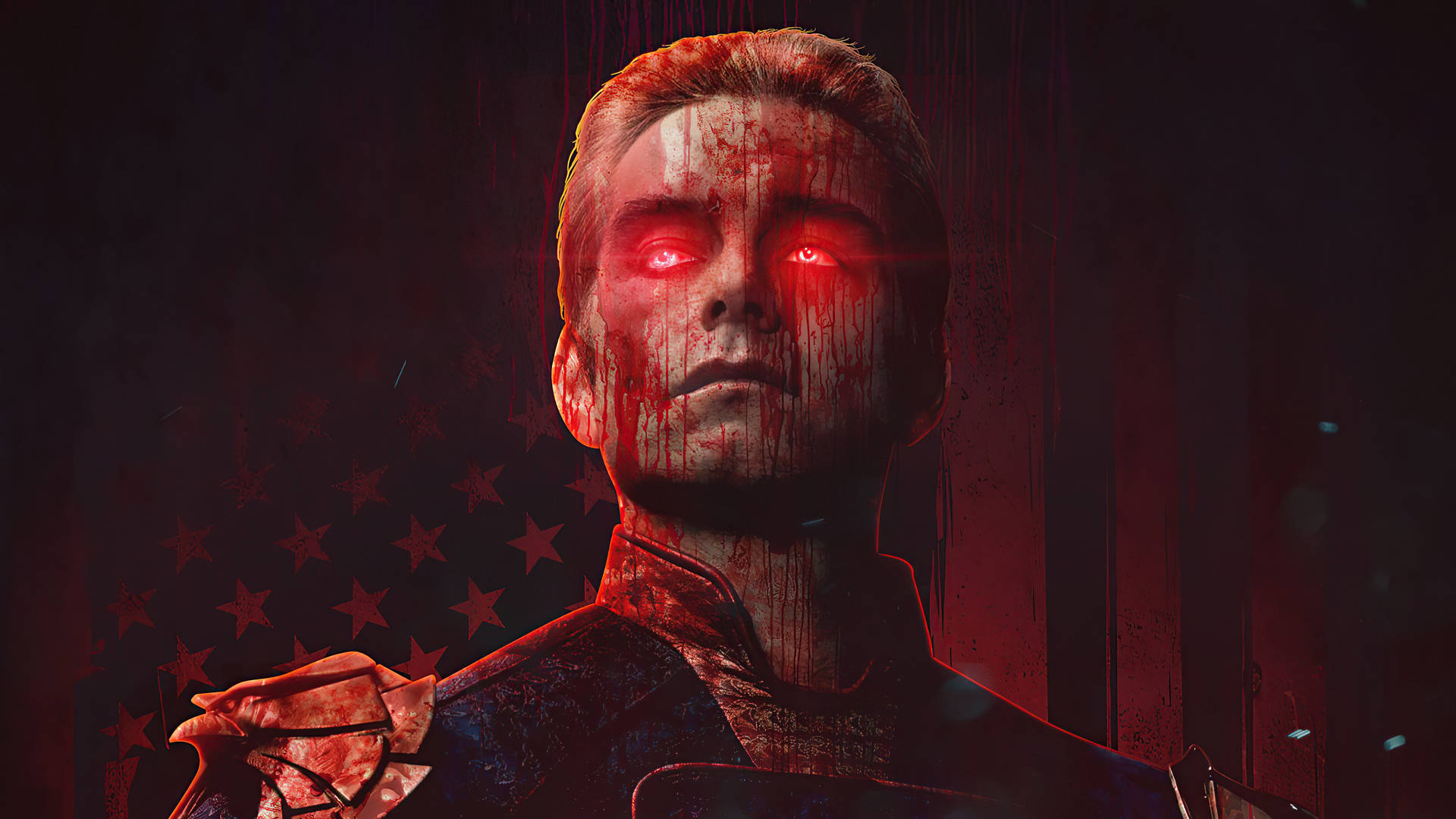
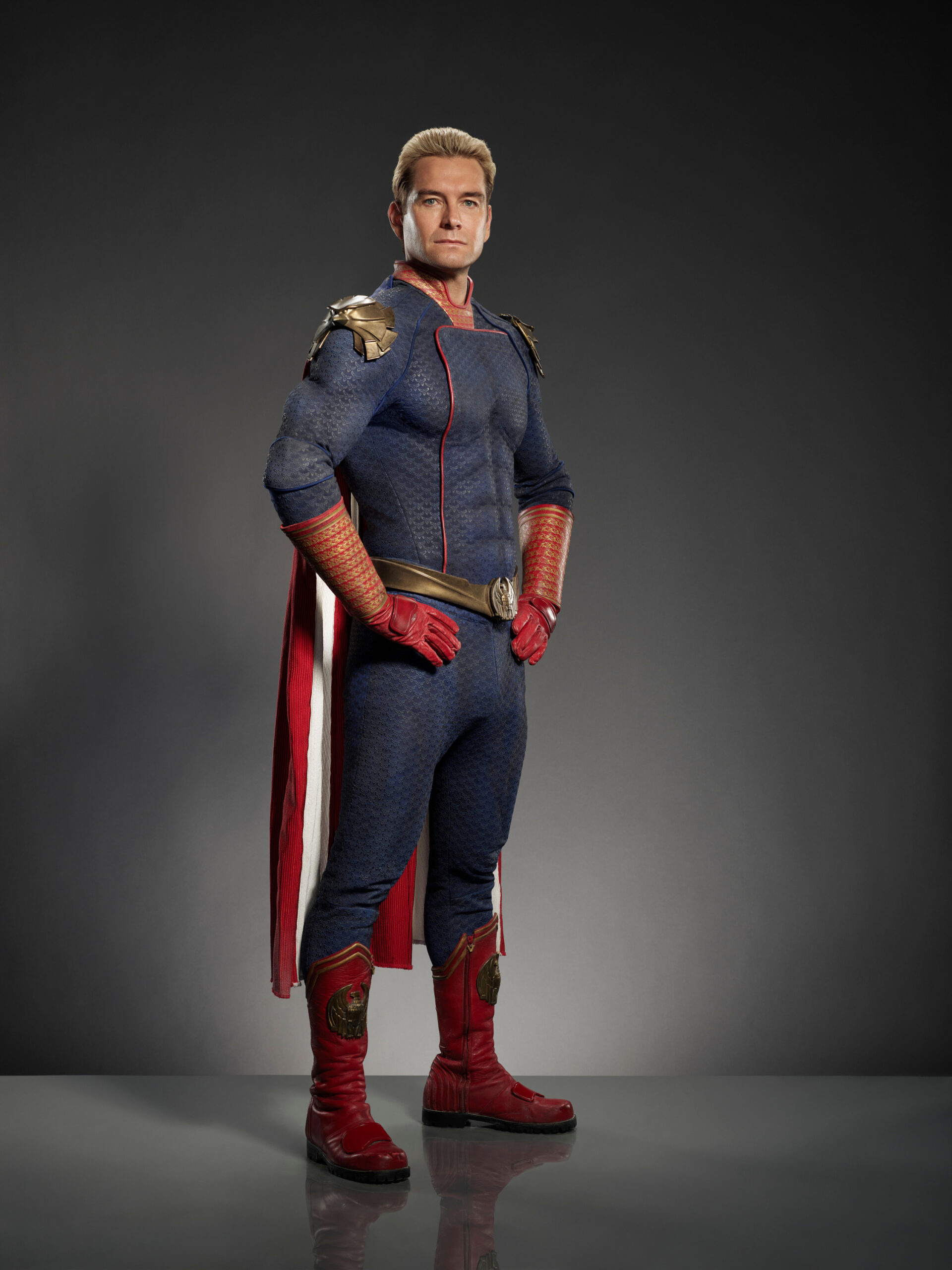
Homelander, the central character in the series The Boys , exemplifies an individual with severe psychopathological traits. His narcissistic personality, sociopathic behavior, and lack of empathy make him as fascinating as he is frightening. Therefore, his psychological profile fits real personality disorders, such as Narcissistic Personality Disorder and Antisocial Personality Disorder.
Narcissistic Personality Disorder
Narcissistic Personality Disorder (NPD) manifests as an exaggerated sense of self-importance, a need for constant admiration, and a lack of empathy. As a result, Homelander sees himself as superior to everyone and demands treatment as an almost divine entity. In the series, he manipulates public opinion, demanding unconditional loyalty and adoration.
In real life, people with NPD adopt similar behaviors in work environments or personal relationships.
For example, authoritarian bosses who reject criticism and demand constant recognition demonstrate narcissistic traits. Like Homelander, these people manipulate others to maintain their position of power.
Antisocial Personality Disorder
Antisocial Personality Disorder (ASPD) involves impulsive behavior, manipulation, disregard for social norms, and lack of remorse. In this sense, Homelander exhibits these characteristics by killing innocent people without hesitation or by using his power to intimidate and control others.
He derives pleasure from inflicting suffering without showing any remorse, one of the most striking traits of the disorder.
In the real world, violent criminals or ruthless corporate leaders exhibit traits of Homelander. Similarly, these individuals see others as mere instruments to achieve their goals, just as Homelander manipulates his colleagues and subordinates.
The Influence of a Traumatic Past
Personality disorders have both genetic and environmental influences, but the environment in which a person grows up plays a crucial role. In the case of Homelander, he grew up in a laboratory, without affection or real human connections. For this reason, the lack of love and the absence of affectionate parental figures shaped his dysfunctional behavior.
In real life, children who grow up in abusive or neglectful environments adopt similar defense mechanisms. Individuals who suffer emotional abuse, for example, develop coldness and aggression to protect themselves from suffering.
This does not mean that every individual with a traumatic past will develop personality disorders; however, extreme neglect and abuse increase this possibility.
Conclusion
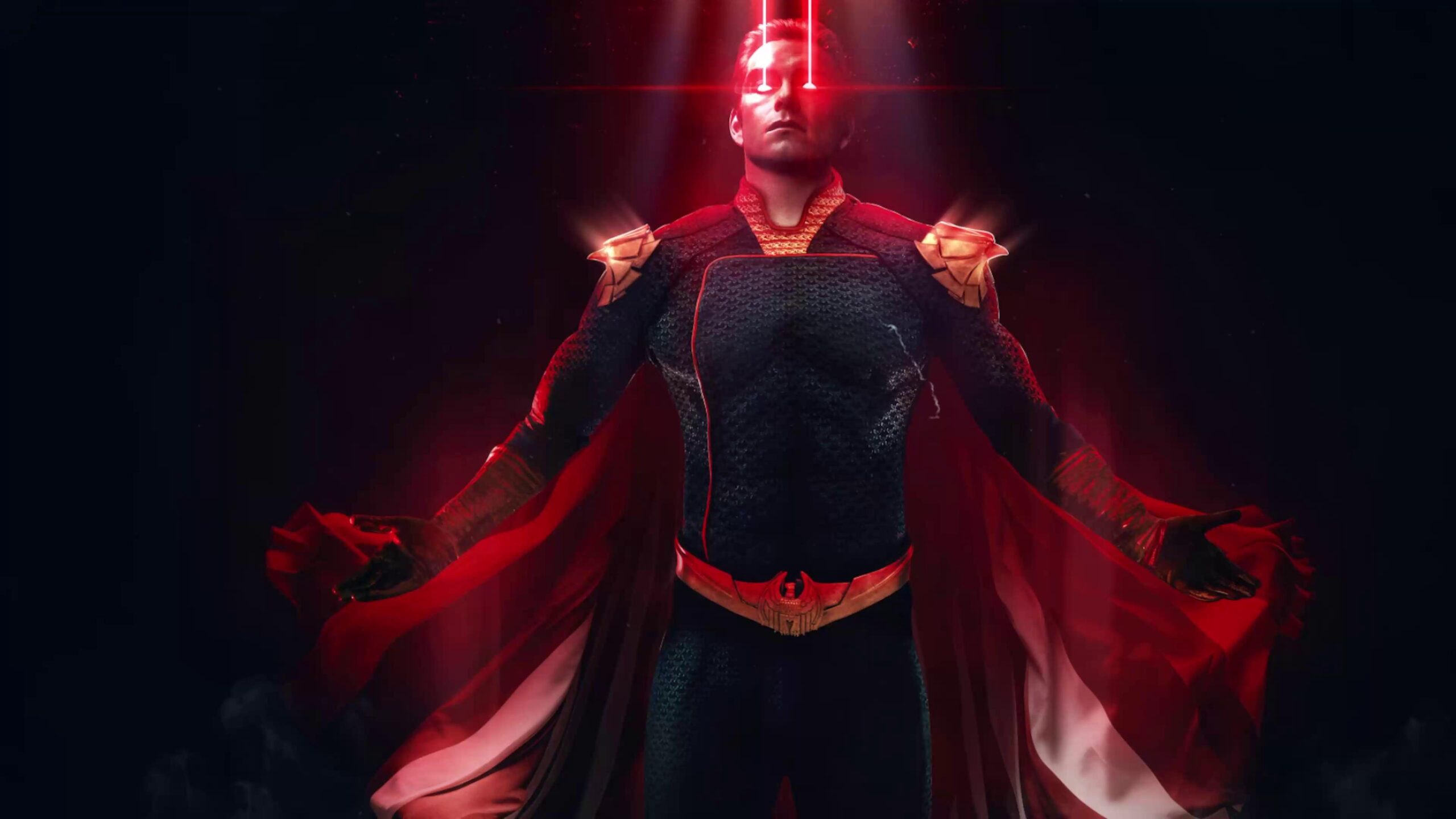
Captain Patriot embodies psychological disorders found in real life. His combination of extreme narcissism, sociopathic behavior, and childhood trauma makes him an interesting subject for psychological study.
Therefore, understanding these disorders not only makes it easier to analyze fictional characters, but also helps to identify and treat harmful behaviors in the real world.
In this way, early recognition of dysf
